Introduction
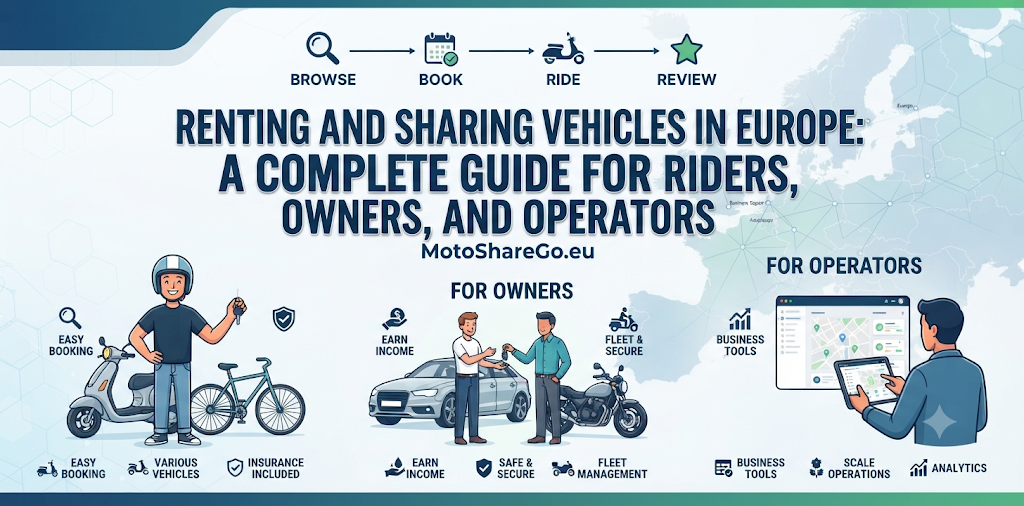
Transportation needs across Europe are shifting in interesting ways. Travelers, independent motorists, and local residents are looking for alternatives to traditional car hire counters and rigid rental agencies. At the same time, independent rental shops and individual vehicle owners seek simpler ways to share or manage their vehicles. This changing landscape has given rise to modern online marketplaces that bridge the gap between people who want to drive or ride and those who have vehicles to share.
MotoShare Europe operates as a digital vehicle rental marketplace designed to connect travelers, motorcycle enthusiasts, local residents, and independent vehicle providers across various European regions. The platform focuses on motorcycles, bikes, scooters, and cars, allowing users to explore listings, compare options, and request bookings directly from participating local providers. For anyone planning a scenic road trip or looking for flexible urban transportation, finding options through a well-organized marketplace can transform how journeys begin.
One of the most exciting segments experiencing this shift is travel involving two wheels. For those planning a journey through winding mountain passes or coastal roads, finding a reliable motorcycle rental Europe option opens up completely new ways to explore local destinations at your own pace. Rather than relying solely on public transport or large commercial fleets, modern digital platforms aim to make vehicle discovery straightforward and accessible.
Understanding the European Vehicle Rental Marketplace
Online vehicle rental marketplaces operate differently from traditional rental agencies. Instead of maintaining a massive centralized fleet parked at every major airport, a marketplace acts as a connector. It brings together independent vehicle owners, local rental shops, and travelers looking for flexible mobility solutions.
When exploring a marketplace, users typically follow a straightforward discovery process. You start by searching for vehicles available in a specific destination or region. Once results appear, you can compare available rental options based on vehicle type, daily rates, pickup locations, and provider details. Reviewing clear vehicle specifications helps ensure the chosen ride matches your travel plans.
After selecting a vehicle, users choose their desired rental periods and send booking requests to the providers. Direct communication between renters and owners often helps clarify collection and return arrangements. However, it is important to remember that vehicle availability varies significantly depending on the region. MotoShare Europe has a broad European focus, but its visible vehicle inventory is currently more limited than its total geographic coverage. Travelers should always check what is actively available in their specific destination rather than assuming every city has active listings.
Why Two-Wheeled Travel Appeals to European Travelers
Traveling on two wheels offers a distinct sense of freedom that traditional cars or buses often cannot match. Riders can navigate narrow historic streets, park with greater ease in crowded city centers, and experience scenic routes up close. Whether you plan a quick weekend getaway or an extended cross-border tour, two-wheeled travel provides unmatched flexibility.
Independence is another major draw for enthusiasts. Solo travelers and small groups can adjust their routes on the fly, stopping wherever a view catches their eye. This spontaneous style of travel encourages deeper exploration of rural landscapes and lesser-known villages.
Of course, a successful trip depends heavily on preparation. While finding a reliable motorcycle rental provider in Europe is a great starting point, riders must also consider local licensing requirements, appropriate safety gear, varying road conditions, and individual riding experience. Matching your skill level to the chosen motorcycle and local terrain ensures a safe and enjoyable journey across European roads.
How Vehicle Owners and Riders Can Connect Directly
Peer-to-peer marketplaces introduce a collaborative approach to vehicle rentals. Instead of dealing strictly with corporate desks, riders can connect directly with local motorcycle owners and independent operators. This peer-to-peer model builds a community-driven environment where vehicles sitting idle in garages can be put to good use.
For owners, sharing a motorcycle when it is not in use offers a practical way to offset maintenance costs and insurance expenses. For riders, peer-to-peer options often provide access to a more diverse range of motorcycles than standard commercial agencies offer. Successfully making connections through a peer to peer motorcycle rental Europe platform relies on clear, transparent communication and mutual trust between both parties.
To make these connections work smoothly, participants should focus on a few essential details:
- Accurate Descriptions: Detailed information about the motorcycle’s model, year, condition, and any modifications helps renters know exactly what to expect.
- Clear Photographs: High-resolution images taken from multiple angles showcase the true condition of the vehicle.
- Transparent Rental Terms: Outlining mileage limits, fuel policies, and security deposits upfront prevents misunderstandings.
- Availability Calendars: Keeping schedules updated ensures that booking requests only arrive when the vehicle is actually free.
- Smooth Handovers: Coordinating pickup and return locations clearly makes the start and end of the rental stress-free.
Supporting Independent Rental Businesses with Digital Tools
Running a small vehicle rental business involves juggling many moving parts. Independent operators often spend hours managing inquiries, updating calendar availability, and keeping track of customer records manually. Administrative overhead can quickly consume time that would be better spent servicing vehicles and welcoming customers.
To help alleviate these operational hurdles, platforms often provide software solutions alongside their consumer marketplaces. For instance, MotoShare Europe promotes a free vehicle rental management software offering aimed at helping independent shops and fleet operators streamline their daily tasks. While these digital tools are advertised on the platform, operators should evaluate them carefully to see how well they fit their specific business workflows.
Effective digital tools are designed to help businesses handle multiple vehicle listings, prevent double-booking through centralized availability calendars, organize customer records securely, and track revenue and rental activity. When evaluating such software, businesses should remember that advertised features may vary in their level of real-world functionality, making it wise to test the tools thoroughly before relying on them entirely for daily operations.
Choosing the Right Software for Different Rental Businesses
Not all vehicle rental operations are alike. A shop specializing in urban e-bikes has very different daily needs than a company managing a fleet of holiday campervans or sports cars. Because fleet sizes and vehicle types vary, rental operators require flexible digital management tools tailored to their specific niche.
Car rental operators need systems that can handle detailed vehicle inspection logs, extended mileage tracking, and structured insurance documentation. In contrast, businesses focusing on motorcycles require tools that track maintenance intervals, engine sizes, and specialized safety gear allocations.
Similarly, operators managing lighter transport options can benefit greatly from dedicated solutions. For example, businesses offering urban transit options often utilize scooter rental software to handle rapid daily turnover and short-term bookings. Meanwhile, shops catering to tourists exploring coastal paths or mountain trails rely on specialized bike rental software to manage multi-day equipment rentals, helmet availability, and accessory add-ons. Even businesses managing mixed fleets of automobiles can take advantage of free car rental software options to keep their reservation books organized without heavy upfront software costs.
Making Vehicle Reservations Easier to Manage
A well-structured reservation process forms the backbone of any reliable rental experience. Whether a traveler is booking a scooter for a sunny afternoon along the Mediterranean coast or an owner is confirming a weekend reservation for their personal motorcycle, clarity is essential. A dependable vehicle rental booking system helps eliminate confusion by organizing every step of the reservation journey.
Good reservation workflows typically guide users through vehicle selection, date picking, availability verification, and booking confirmation. When customers can clearly see when a vehicle is free and what the total cost entails, they feel much more confident completing their reservation request.
For rental operators, an organized booking system reduces administrative errors and keeps customer information neatly cataloged. However, users should keep in mind that the exact booking confirmation steps and payment handling methods depend heavily on the individual provider and the specific features verified on the platform at the time of use.
Opportunities for Motorcycle and Car Owners
Many vehicle owners find themselves paying for insurance, maintenance, and parking for cars or motorcycles that sit unused for weeks at a time. Marketplace platforms offer an opportunity to turn these idle assets into active ones by allowing private owners to share their vehicles with verified renters.
If you are thinking about how to rent out my motorcycle when you are not out riding, preparation is key. Begin by checking the mechanical condition of the machine, ensuring all servicing is up to date, and reviewing your personal insurance policy to understand how commercial or peer-to-peer sharing impacts your coverage. Taking clear photographs and writing an honest, detailed description of your bike will attract the right renters and set clear expectations.
Car owners have similar opportunities to generate utility from their vehicles. If you want to list my car for rent when it is parked at home during a work trip or vacation, the process follows a similar path. You will need to prepare the vehicle’s interior and exterior, verify local legal requirements for private vehicle sharing, and set reasonable rental terms. While sharing your vehicle can help offset ownership costs, it is important to remember that earnings are never guaranteed and depend entirely on local demand and vehicle popularity.
Understanding Motorcycle Rental Prices Across Europe
Rental prices across Europe vary widely based on a multitude of practical factors. Understanding what influences these costs helps travelers budget effectively and avoid unexpected expenses during their trips.
One of the primary drivers of motorcycle rental cost Europe travelers encounter is the type and displacement of the motorcycle. A lightweight scooter or small commuter bike will naturally cost significantly less to rent per day than a heavy touring motorcycle equipped with luggage panniers and advanced electronics.
Several other key factors shape the final rental price:
- Rental Duration: Longer rental periods often come with discounted daily rates compared to single-day bookings.
- Destination and Local Demand: Popular tourist hotspots during peak summer months typically see higher demand and elevated pricing.
- Seasonality: Riding seasons vary across Europe; renting during shoulder months can sometimes offer better value.
- Insurance and Security Deposits: Comprehensive coverage options and security hold amounts affect the overall financial commitment.
- Included Equipment: Helmets, riding jackets, GPS units, and panniers included in the base price add value to the rental.
- Mileage Limits: Some rentals include unlimited kilometers, while others charge extra for distances exceeding a daily cap.
Travelers should always review the complete breakdown of potential charges before confirming a booking, as collection fees, cleaning charges, or cross-border travel fees can sometimes apply depending on the provider.
Safety, Insurance, and Legal Considerations
Embarking on a vehicle rental journey requires careful attention to safety regulations, insurance policies, and legal requirements. Because laws and standards vary significantly from one European country to another, both renters and vehicle owners must do their homework before handing over keys or setting off on the road.
First, check driving license validity and category permissions. A standard car driving license does not automatically permit someone to ride a heavy motorcycle or even a large scooter in every European jurisdiction. Minimum age limits also vary by country and by vehicle engine size.
Insurance is another critical area that demands careful review. Renters should understand what is covered under the base rental agreement, what exclusions apply, and what their financial responsibility is in the event of accidental damage or theft. Owners sharing their private vehicles must ensure their insurance policies permit peer-to-peer sharing arrangements.
Before setting off on any journey, take time to complete a thorough physical vehicle inspection with the owner or provider, noting any existing scratches or dents. Ensure you have the appropriate certified helmet and protective gear required by the destination country, and familiarize yourself with local road rules, speed limits, and toll systems. Taking these precautions protects everyone involved and ensures a smooth, worry-free trip.
How MotoShare Europe Can Support the Rental Journey
MotoShare Europe brings together travelers, motorcycle enthusiasts, private vehicle owners, and independent rental businesses within a single digital ecosystem. By connecting people who want to explore with those who have vehicles to share, the platform offers a modern alternative to traditional rental desks.
At the same time, the inclusion of digital management software gives small rental operators and independent fleet owners a way to handle day-to-day tasks like reservations and customer records without investing in expensive proprietary systems. While the platform’s visible vehicle inventory varies by region and some software capabilities are still best viewed as advertised rather than fully guaranteed features, the marketplace provides a valuable meeting point for Europe’s driving and riding community.
If you are planning your next European road trip, looking for a flexible way to explore a new city, or hoping to share your own vehicle with fellow travelers, exploring the platform is a great next step. Visit MotoShareGo.eu today to browse active listings, discover local rental opportunities, or learn more about how independent operators manage their fleets.
Frequently Asked Questions
How does a vehicle rental marketplace work in Europe? An online marketplace connects travelers and local residents with independent vehicle owners and rental shops. Users can search for available cars, motorcycles, bikes, or scooters in specific destinations, compare rental options and prices, and send direct booking requests to participating providers.
What should travelers check before renting a motorcycle? Travelers should verify that their driving license covers the specific motorcycle category, check minimum age rules, review insurance coverage and excess amounts, inspect the vehicle thoroughly before pickup, and ensure they have certified helmets and protective gear required locally.
What factors influence motorcycle rental prices? Rental prices depend on the engine size and motorcycle type, rental duration, destination demand, seasonal timing, insurance choices, mileage restrictions, and any included accessories like luggage cases or riding gear.
Can private motorcycle owners make their vehicles available for rental? Yes, private owners can list their motorcycles on peer-to-peer platforms to share them with verified riders when the vehicles are not in use. Owners must ensure their vehicle condition is sound and review their insurance policies beforehand.
What should a small rental business look for in management software? Small rental operators should look for tools that simplify daily tasks such as managing vehicle listings, updating availability calendars, organizing customer records, tracking bookings, and monitoring basic rental revenue.
How can renters compare different vehicle options? Renters can review detailed vehicle descriptions, photographs, daily rates, pickup locations, mileage limits, and provider terms directly on the marketplace platform to choose the option that best fits their trip.
What insurance details should renters review? Renters should examine what damage is covered by the rental agreement, the amount of the security deposit or deductible, theft protection terms, and whether roadside assistance is included during the rental period.
Can rental businesses manage multiple vehicle categories? Many management tools allow operators to handle mixed fleets consisting of cars, motorcycles, bikes, and scooters, helping businesses keep all reservations and availability schedules organized in one place.
What should owners prepare before listing a vehicle? Owners should prepare their vehicle by checking its mechanical condition, taking clear and well-lit photographs from multiple angles, writing an accurate description, and setting transparent rental terms and availability schedules.
How can users check whether a vehicle is available in their destination? Users can visit the platform’s search page, enter their destination city or region along with their desired dates, and review the currently active vehicle listings shown for that specific location.
Final Thoughts
Exploring Europe on your own terms requires flexible transportation and reliable planning. Whether you are a traveler searching for a touring motorcycle, a local resident needing a city scooter, or a private owner looking to share an unused vehicle, modern online marketplaces make connecting much easier. At the same time, independent rental shops and small fleet operators can benefit from dedicated digital management tools that simplify daily reservations and vehicle tracking.
Before confirming any booking or listing a personal vehicle, take time to verify exact local availability, review insurance terms, confirm licensing rules, and communicate clearly about collection and return arrangements. Taking these simple steps protects both renters and owners while ensuring a smooth experience on the road.
If you are ready to plan your next European trip, list an available vehicle, or explore management tools for your rental operation, visit MotoShare Europe at motosharego.eu to review current listings and platform features.