
Introduction
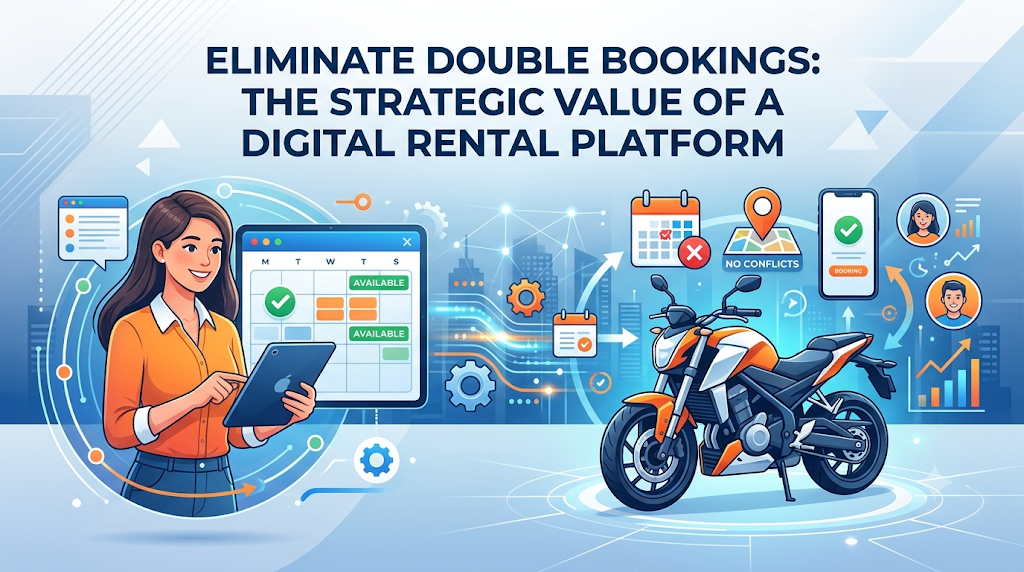
The global mobility landscape has fundamentally shifted. Driven by changing consumer habits, urbanization, and the rise of the shared economy, vehicle rental is moving away from traditional, fragmented operations toward integrated, cloud-native digital ecosystems. For operators, the days of relying on paper logs, whiteboards, and localized Excel sheets to track high-value physical assets are quickly ending. Relying on manual workflows leaves businesses vulnerable to mistakes, operational friction, and lost revenue.
+-------------------------------------------------------------+
|               TRADITIONAL MANUAL WORKFLOW                  |
|  Paper Logs ---> Phone Bookings ---> Blind Inventory Allocation |
+-------------------------------------------------------------+
                              VS
+-------------------------------------------------------------+
|                MODERN AUTOMATED WORKFLOW                   |
|  Live Web API ---> Automated Matching ---> Cloud Telematics |
+-------------------------------------------------------------+
Digital transformation is no longer a luxury reserved for multi-national brands with large IT budgets. Today, even early-stage vehicle rental startups require robust digital tools to compete effectively. Without real-time tracking, structured vehicle inventory management, and automated reservation pipelines, small businesses often struggle with double bookings, missing maintenance schedules, delayed billing, and poor customer service.
To bridge this operational gap, operators need dedicated software that cuts down administrative work and keeps fleets running efficiently. This comprehensive guide covers everything you need to know about free vehicle rental management software. We will explore its core capabilities, compare different setups, and show you how implementing the right platform can turn chaotic daily operations into a scalable, highly profitable mobility business.
What is Vehicle Rental Management Software?
Definition: A vehicle rental management software is a dedicated enterprise resource planning (ERP) platform designed to automate the lifecycle of rental operations. It functions as a single source of truth, linking frontend customer booking platforms with backend fleet operations, asset tracking, customer relationship management (CRM), and financial reporting tools.
                      +-----------------------------+
                      |  Front-End Booking Portal   |
                      +--------------+--------------+
                                     |
                                     v
+-----------------------+     +------+------+     +-----------------------+
| Fleet & Maintenance   |<--->| Central CRM |<--->| Accounting & Payments |
+-----------------------+     +-------------+     +-----------------------+
At its core, the software translates physical inventory—such as cars, motorbikes, commercial trucks, or electric scooters—into digital records. These records are updated dynamically based on customer actions, maintenance schedules, and administrative workflows.
Core Business Purpose
The primary goal of a vehicle rental platform is to maximize your revenue per available vehicle day ($REVPAV$) while lowering overhead expenses. By digitizing documents, scheduling bookings, and tracking vehicles automatically, these systems help operators shift away from reactive administrative work and focus on strategic business growth instead.
Key Business Types Supported
Modern digital platforms are flexible enough to support several different vehicle rental models:
- Traditional B2C/B2B Rentals: Daily, weekly, or monthly contracts for corporate travel, tourism, or logistics.
- Peer-to-Peer (P2P) Marketplaces: Platforms allowing private owners to list vehicles for rent while handling validation and payments.
- Micro-mobility Networks: High-frequency, short-duration rentals of bikes, e-bikes, and scooters across urban areas.
- Subscription-Based Mobility Systems: Modern long-term vehicle access models that serve as alternatives to traditional financing or leasing.
Why Businesses Need Free Vehicle Rental Management Software
Running a rental fleet without dedicated software often introduces major operational bottlenecks that limit your business’s ability to scale. Let’s look at the primary friction points that make moving to a digital system essential.
The Breakdown of Manual Booking Systems
As your fleet grows past five to ten vehicles, manual scheduling quickly becomes unmanageable. Hand-written logs and isolated spreadsheets fail to provide real-time updates across multiple customer touchpoints. If a customer books a vehicle over the phone while another reserves the same asset via a third-party partner, it results in a double booking. This forces operators to scramble for alternative vehicles, often leading to unhappy customers, refunds, and negative online reviews.
Disconnected Customer Management
Without a central vehicle rental CRM, tracking customer history, driver’s license validities, security deposit clearings, and individual risk profiles becomes incredibly difficult. Important details get lost across email threads and paper files, making it hard to reward loyal customers or flag high-risk renters who repeatedly return damaged vehicles late.
The Invisible Fleet Challenge
To maximize profitability, operators need absolute clarity on vehicle availability management. Manual tracking creates operational blind spots. Managers frequently find themselves uncertain about which vehicles are ready for rent, which are parked at secondary branch locations, or which are pulled from service for routine maintenance. This lack of clear visibility leads to underutilized assets sitting idle in lots, cutting directly into your bottom line.
+--------------------------------------------------------------------+
|                      MANUAL vs DIGITAL OVERHEAD                    |
|                                                                    |
|  Manual System:                                                    |
|  [Admin Overhead: 45%] [Fleet Friction: 35%] [Profit Margin: 20%] |
|                                                                    |
|  Digital System (e.g., MotoShare):                                 |
|  [Admin Overhead: 10%] [Fleet Friction: 15%] [Profit Margin: 75%] |
+--------------------------------------------------------------------+
Inefficient Operational Workflows
When employees spend their time answering basic availability questions, typing out standard rental contracts by hand, and calculating taxes or security deposits manually, they have less time to focus on high-value business development. Implementing free vehicle rental management software eliminates these repetitive tasks, helping companies automate operations, lower costs, and ensure consistent customer service.
Key Features of the Best Vehicle Rental Management Software
To find the right vehicle rental platform, it helps to understand the core technical components that keep modern operations running smoothly.
+-----------------------------------------------------------------+
|               ANATOMY OF A RENTAL SOFTWARE PLATFORM             |
+-----------------------------------------------------------------+
|  [Inventory Engine] ---> [Pricing Matrix] ---> [Real-time Cal]   |
|         |                      |                     |          |
|  [Customer CRM]    ---> [Security Layer]  ---> [Analytics UI]   |
+-----------------------------------------------------------------+
1. Dynamic Vehicle Listings & Attributes
A solid inventory module goes beyond basic vehicle names. It tracks detailed specifications like vehicle type, make, model, year, license plate, VIN, fuel type, transmission, and current mileage. It should also let you group vehicles by custom classes (e.g., Economy, SUV, Cargo, Premium) to make booking and pricing management easier.
2. Integrated Customer Booking Portals
A responsive online vehicle booking system allows customers to check real-time availability, select pick-up/drop-off points, pick optional add-ons (like child seats or insurance coverage), and upload required documents (IDs, permits, licenses) directly from any smartphone or desktop browser.
3. Centralized Reservation Engine
The central dashboard functions as the command center for your business. It allows operators to view, modify, extend, or cancel bookings in real time. It automatically changes a vehicle’s status across all channels the moment a booking is approved, keeping your inventory completely accurate.
4. Advanced Fleet Inventory Management
This module tracks the complete lifecycle of every asset in your fleet. It handles routine preventive maintenance schedules (like oil changes, tire rotations, and safety inspections) and sends automated alerts based on time or mileage thresholds. Keeping vehicles well-maintained reduces breakdowns and helps preserve their resale value over time.
5. Unified Customer Database (CRM)
A dedicated CRM profiles customer behaviors, stores secure digital copies of verified driving licenses, records rental histories, tracks outstanding balances, and logs communication preferences. Advanced platforms even include warning systems to flag problematic customers who have a history of late returns or unreturned vehicle damage.
6. Flexible Pricing & Rate Matrix Engines
To maximize revenue, look for systems that allow you to set customized pricing rules. The platform should easily handle hourly, daily, weekly, and monthly rates, alongside seasonal demand adjustments, weekend spikes, holiday surcharges, and customized security deposit requirements.
+----------------------------------------------------------------+
|                   DYNAMIC PRICING ENGINE LOGIC                 |
+----------------------------------------------------------------+
|  Base Rental Rate                                              |
|    +-- [Seasonal Multiplier: Peak/Off-Peak Variable]          |
|    +-- [Duration Discount: 10% Weekly / 25% Monthly]          |
|    +-- [Location Adjustment: Multi-Branch Surcharge]           |
|  = Final Real-Time API Quote                                    |
+----------------------------------------------------------------+
7. Interactive Availability Calendars
A visual, color-coded grid calendar lets fleet managers see the status of their entire inventory at a glance. It helps you quickly spot gaps in vehicle availability, drag-and-drop bookings to different vehicles to optimize schedule density, and identify upcoming maintenance windows without digging through sub-menus.
8. Comprehensive Partner & Multi-Location Management
As a rental business scales into multi-location rental software environments, management needs to oversee various physical branches, independent agents, or franchise partners. The software should support customized sub-accounts with role-based access controls, allowing partners to manage their assigned local fleets while giving the main business clear visibility over all operations.
9. Actionable Reporting & Analytics
Data-driven businesses rely on solid metrics to guide their decisions. Built-in reporting modules should track key indicators like overall fleet utilization rates, revenue per vehicle class ($REVPAV$), maintenance costs vs. earnings per car, and your most popular pick-up locations.
Why Choose 100% Free Vehicle Rental Software?
For startups, independent operators, and businesses testing new concepts, keeping fixed costs low is critical. Using a 100% free vehicle rental software provides a clear financial advantage, allowing teams to channel capital into acquiring vehicles rather than paying expensive software licensing fees.
+---------------------------------------------------------------+
|                  BOOTSTRAPPING CAPITAL ALLOCATION             |
|                                                               |
|  Paid Software Path:   [Software Fees: 35%] [Fleet Expansion: 65%] |
|  Free Software Path:   [Software Fees: 00%] [Fleet Expansion: 100%] |
+---------------------------------------------------------------+
- Significant Capital Savings: Traditional rental applications often demand costly upfront licensing, high onboarding setup fees, or monthly per-car subscriptions. Free software eliminates these fixed recurring expenses, making it easier for new businesses to reach profitability.
- Reduced Friction Onboarding: Free solutions allow operators to set up accounts, add inventory, and train field staff immediately, without navigating complex corporate procurement cycles or committing to long-term contracts.
- Built-in Business Scalability: High-quality free systems grow alongside your business. You can start by tracking five vehicles and seamlessly scale up to hundreds without facing sudden cost increases that disrupt your cash flow.
- Cloud Accessibility & Low Infrastructure Cost: Modern systems operate entirely in secure cloud environments. This means your team doesn’t need to purchase or maintain local servers—everything runs smoothly on standard smartphones, tablets, and field laptops.
Specialized Functional Focus: Free Car Rental Software
Managing a car fleet requires handling distinct operational needs, from high-value asset protection to strict regulatory compliance.
+----------------------------------------------------------------+
|                     CAR RENTAL ENGINE LIFECYCLE                |
+----------------------------------------------------------------+
|  1. Inspection (Damage Mapping, Fuel/EV Battery State)         |
|  2. Document Verification (Digi-Lock System, License OCR)      |
|  3. Live Trip Execution (Telematics Engine Active)             |
|  4. Settlement (Auto Deposit Release, Toll/Fines Billing)     |
+----------------------------------------------------------------+
Advanced Vehicle Diagnostics
Car rental management software needs to track complex data points, including fuel levels, current battery charge for electric vehicles ($EVs$), and precise odometer readings. Capturing this data accurately ensures customers are billed correctly for fuel use and prevents unexpected mileage depreciation.
Streamlined Rental Contracts & Legal Agreements
Car rentals involve significant liability, making robust documentation essential. The software should generate professional, legally compliant rental agreements automatically. These documents should pull dynamic fields like customer IDs, vehicle details, custom terms, insurance liabilities, and pre-existing vehicle damage reports directly into the contract to protect your business.
Specialized Functional Focus: Free Bike Rental Software
Bike, e-bike, and scooter rentals move at a much faster pace, requiring a platform designed for high-frequency transactions and swift turnaround times.
+----------------------------------------------------------------+
|                    BIKE RENTAL OPERATIONS CYCLE                |
+----------------------------------------------------------------+
|  [High-Density Fleet] -> [Hourly/Daily Bookings] -> [Quick Turn] |
|                                                                |
|  * Key Metric: Rapid Turnaround Time & Component Maintenance   |
+----------------------------------------------------------------+
High-Density Inventory Management
Bike rental operations often handle hundreds of identical models. The platform must organize high-density fleets efficiently using unique identifiers like QR codes, frame serial numbers, or compact asset tags, allowing your team to scan items and process rentals in seconds.
Managing Seasonal Demand Shifts
Bike rental business software needs to adapt quickly to changing weather patterns, tourist seasons, and local outdoor events. The system should allow operators to easily update rental scheduling software rules, modify minimum booking durations, and shift pricing models instantly to capture peak seasonal revenue.
Core Systems Analysis
To build a reliable digital framework, it helps to understand how different components connect to form an all-in-one vehicle rental platform.
+-----------------------------------------------------------------------+
|                    INTEGRATED CORE ARCHITECTURE                       |
+-----------------------------------------------------------------------+
|  [Vehicle Booking Software]    ---> Captures Demand & Validates Users |
|  [Vehicle Reservation System]  ---> Resolves Conflicts & Allocates    |
|  [Rental Fleet Management]     ---> Monitors Health, Telematics & Life|
+-----------------------------------------------------------------------+
Car Rental Management Software
This system acts as your operational core, tracking depreciation, insurance policy expirations, tax records, and commercial registration renewals for every car. It ensures that no vehicle is accidentally rented out if its regulatory paperwork or commercial insurance has lapsed.
Bike Rental Management Software
This system focuses on rapid turnaround tracking and preventative safety. It helps teams monitor brake wear, tire conditions, gear adjustments, and battery health for electric fleets, scheduling quick workshop checkups between short rentals to keep riders safe.
Vehicle Booking Software & Reservation Systems
This public-facing layer converts interest into confirmed bookings. By presenting a clear, step-by-step reservation workflow, it guides users through selecting dates, verifying vehicle availability management rules, and confirming bookings without requiring manual help from your staff.
Rental Fleet Management Software
This module focuses on maximizing your long-term return on investment ($ROI$). By tracking key performance indicators—like fleet utilization percentages, maintenance expenses, and vehicle downtime—it gives owners the clear insights they need to make smart, data-driven scaling decisions.
Common Problems Solved by Rental Software
Moving to an automated vehicle rental automation system directly addresses the structural vulnerabilities that often disrupt manual operations.
Eliminating Double Bookings
When your digital booking platform is directly synced with your backend inventory management system, double bookings are eliminated. The moment a vehicle is reserved, it instantly updates across all calendars and partner channels, keeping your availability perfectly accurate.
Moving Away from Paper Records
Paper agreements are easily lost, damaged, or misfiled. A digital system keeps every rental agreement, insurance waiver, payment receipt, and damage report stored securely in the cloud, where your team can find them instantly with a quick search.
Resolving Vehicle Availability Confusion
Instead of calling around or checking lots to see what’s available, staff can view real-time fleet statuses right from their dashboards. This makes handling walk-in customers smooth and stress-free, ensuring vehicles are assigned quickly and correctly.
Rental Business Challenges vs. Software Solutions
| Operational Challenge | Root Cause (Manual System) | Software Solution Architecture | Business Impact |
| Overbooking Assets | Siloed booking logs, slow updates across partner channels | Real-time centralized availability sync | Zero double bookings, better brand trust |
| Untracked Vehicle Damage | Inconsistent paper forms, missing photos | Mandatory digital check-in inspection checklists | Drastically reduced dispute costs, accountability |
| High Administrative Costs | Manual contract generation, phone bookings | Automated booking workflows and digital signatures | 75% reduction in administrative desk hours |
| Missed Maintenance | Forgetting to check odometer logs regularly | Automated alerts based on mileage and time | Lower breakdown rates, higher asset resale value |
| Delayed Deposit Returns | Fragmented accounting and manual checkbacks | Structured escrow and security deposit tracking | Faster resolutions, happier customers |
MotoShare Overview
MotoShare offers an intuitive, cloud-native vehicle rental platform built to modernize daily operations without adding financial strain. Designed for clarity and efficiency, MotoShare provides tools that adapt easily to your specific operational workflows.
+-----------------------------------------------------------------+
|                       MOTOSHARE ARCHITECTURE                    |
+-----------------------------------------------------------------+
|  [Fleet Management]  --> Automated maintenance alerts & tracking |
|  [Booking Portal]    --> Fast web booking and reservations      |
|  [CRM Module]        --> Secure customer & driver verification  |
|  [Partner Network]   --> Multi-location and agent sub-accounts  |
+-----------------------------------------------------------------+
Key Functional Capabilities
- Intuitive Fleet Management: Easily catalog cars, bikes, and specialized vehicles with complete records of maintenance schedules, registration dates, and usage histories.
- Streamlined Booking & Reservations: A clean, clear interface that allows teams to create, extend, or update bookings in seconds, keeping operations simple for staff and customers alike.
- Secure Customer Verification: Built-in profiles that save driver’s license details, contact information, and rental histories securely, making repeat checkouts fast and reliable.
- Flexible Partner Management: A system that grows with you, allowing you to create secure access accounts for team members, branch managers, or external partners while keeping your data safe.
Benefits for Different Users
Every mobility business has distinct priorities based on its size, market focus, and operational goals.
+-----------------------------------------------------------------+
|                   TAILORED MOBILITY VALUE                       |
+-----------------------------------------------------------------+
|  P2P Owners     ---> Minimize idle time, track margins          |
|  Startups       ---> Zero fixed software costs, fast onboarding |
|  Large Fleets   ---> Clean role permissions, structured metrics |
|  Tourism Teams  ---> Handle seasonal volume peaks smoothly     |
+-----------------------------------------------------------------+
Individual Vehicle Owners
For hosts renting out a small number of personal vehicles, the primary focus is minimizing idle time while protecting high-value assets. The software provides an easy way to track profit margins, monitor usage schedules, and stay on top of regular maintenance without expensive business software fees.
Startup Rental Businesses
For new companies, conserving capital is everything. Free vehicle rental software allows startups to set up professional booking engines and structured operational workflows from day one, helping them build credibility without high upfront software costs.
Large Fleet Operators
For enterprise organizations, success depends on clear coordination across multiple branches, partners, and teams. The system provides role-based access controls, detailed performance tracking, and clear administrative tools to keep large operations moving smoothly across regions.
Tourism & Travel Companies
Tourism operators regularly deal with sharp demand spikes during holidays and vacation seasons. The software helps teams manage these peak periods easily with flexible seasonal pricing rules, quick group bookings, and clear availability views that maximize fleet utilization.
How to Choose the Best Vehicle Rental Management Software
Selecting the right platform shapes your business’s operational efficiency for years to come. Use this practical evaluation checklist to guide your decision:
+-------------------------------------------------------------+
|               SOFTWARE EVALUATION CHECKLIST                 |
+-------------------------------------------------------------+
|  [ ] Zero Hidden Fees (Clear terms, no unexpected costs)    |
|  [ ] Responsive Mobile UI (Smooth operation on any device)  |
|  [ ] Real-Time Sync Speed (< 2 sec engine update latency)   |
|  [ ] Solid Data Protection (Secure encryption standards)    |
|  [ ] Multi-Tier Support (Documentation, email, self-serve)  |
+-------------------------------------------------------------+
- Confirm a True Cost Structure: Ensure the platform offers a genuinely usable free tier without hidden traps, such as sudden per-vehicle charges or artificial limits on basic booking data.
- Test Mobile Compatibility: Your field staff and mechanics need a system that works perfectly on smartphones and tablets out in the lot, not just on office desktops.
- Evaluate System Sync Speed: The central availability calendar should update across all channels within seconds of a new booking to keep data accurate and prevent scheduling conflicts.
- Verify Data Protection Standards: The system must use modern encryption protocols to safeguard sensitive customer data, driver’s licenses, and business financial records.
- Review Onboarding Support Resources: Look for platforms that offer clear documentation, step-by-step guides, and accessible user support to help your team get up to speed quickly.
Deep-Dive Software Comparison Tables
Manual vs. Digital Rental Management
| Operational Parameter | Manual Management (Paper/Excel) | Cloud-Based Free Software (MotoShare) |
| Booking Speed | 5–12 minutes (Manual form completion) | Under 60 seconds (Automated database pull) |
| Availability Accuracy | Delayed updates; prone to human oversight | Instant real-time system updates |
| Data Accessibility | Locked in physical cabinets or local computers | Securely accessible worldwide via any browser |
| Maintenance Tracking | Relies on manual logs; easy to overlook | Automated mileage and date alerts |
| Reporting Capabilities | Requires hours of manual data entry | One-click instant business analytics dashboards |
Vehicle Rental Software Features Comparison
| Feature Set | Basic Spreadsheet Tracking | Legacy On-Premise Software | Modern Cloud Platforms (MotoShare) |
| Initial Setup Cost | Zero upfront cost | High initial purchase & licensing fees | Zero entry or implementation fees |
| Real-Time Web Bookings | Not supported | Requires expensive API add-ons | Native integrated booking workflows |
| Automated Alerts | Non-existent | Limited local computer notifications | Direct SMS, Email, and In-App updates |
| Multi-Location Management | Impossible to coordinate cleanly | Complex local database syncing | Built-in seamless multi-branch views |
| System Updates | Completely manual | Expensive, slow manual upgrades | Automated background continuous improvements |
Car vs. Bike Rental Software Requirements
| Technical Component | Car Rental Operations Focus | Bike/Scooter Rental Operations Focus |
| Primary Billing Unit | Typically daily, weekly, or monthly blocks | Flexible hourly, half-day, or short-term blocks |
| Regulatory Tracking | Detailed registration, emissions, insurance checks | Simple safety checks, local usage compliance |
| Inventory Density | Moderate volume; unique make and model variations | High volume; large batches of identical items |
| Verification Level | Deep checks (Multi-class license, identity checks) | Quick verification (Basic ID, liability waivers) |
| Maintenance Triggers | Odometer mileage markers, deep system diagnostics | Visual inspection notes, high-frequency usage hours |
Best Practices for Running a Rental Business
Investing in the right software is a great first step, but real operational success comes from combining that technology with solid daily business practices.
+---------------------------------------------------------------+
|                    RENTAL BUSINESS BLUEPRINT                  |
+---------------------------------------------------------------+
|  Clear Check-ins ---> Predictive Maintenance ---> Smart Rates |
+---------------------------------------------------------------+
1. Maintain Standardized Check-In / Check-Out Processes
Make digital vehicle inspections a mandatory step for every rental. Take high-resolution photographs of the vehicle from identical angles during both pick-up and return. Storing these photos directly within the customer’s booking file gives you clear, undeniable proof that helps resolve damage disputes quickly and fairly.
2. Shift Toward Predictive Maintenance
Don’t wait for a vehicle to break down on the road to fix it. Use your platform’s tracking tools to schedule preventative service checks just ahead of manufacturer recommendations. Keeping your fleet in top shape keeps vehicles on the road longer and protects your business from costly emergency repairs.
3. Implement a Smart Pricing Strategy
Review your rental utilization rates weekly. If certain vehicle classes are constantly fully booked, consider raising your peak-period rates slightly to increase your overall revenue. Conversely, if specific assets are sitting idle, run targeted mid-week specials or offer extended-duration discounts to get them back out on the road.
The Future of Vehicle Rental Software
The technology powering mobility operations is evolving rapidly. Staying ahead of these changes helps operators build more resilient, future-ready businesses.
+-------------------------------------------------------------+
|                 NEXT-GENERATION MOBILITY STACK              |
+-------------------------------------------------------------+
|  [Telematics Core] ---> [Predictive ML Engine] ---> [API Layer] |
+-------------------------------------------------------------+
- Advanced Telematics & GPS Integrations: Future operations will rely less on manual check-ins. Embedded telematics systems will track vehicle locations, read fuel levels, and log odometer updates automatically the moment a vehicle returns to the lot.
- Predictive Fleet Maintenance Analytics: Machine learning systems will analyze historical repair logs alongside real-time engine data to accurately predict part failures before they happen, cutting unexpected downtime down to nearly zero.
- Automated Smart Verification Systems: Verification pipelines will use advanced identification technologies to instantly validate international driver’s licenses and cross-check safety databases, keeping check-in queues moving rapidly while keeping your fleet secure.
- Frictionless Self-Service Operations: The industry is moving toward secure, app-based keyless rentals. Customers will be able to locate a vehicle, upload their credentials, unlock the doors, and start their rental entirely from their smartphones, enabling smooth, round-the-clock operations without requiring on-site staff.
Frequently Asked Questions
Is a free vehicle rental management software actually free, or are there hidden operational fees?
High-quality free vehicle rental platforms offer core management features—like asset logs, booking engines, and customer records—without upfront costs or recurring subscription fees. Always review the terms of service to confirm that the platform fits your long-term expansion plans without introducing unexpected platform charges later.
Can I run both car and bike rental inventories simultaneously on a single platform?
Yes. Versatile cloud rental software allows you to create separate vehicle classes with customized rules on a single dashboard. This lets you manage long-term car contracts alongside high-frequency hourly bike rentals without needing separate systems.
How does an online vehicle booking system prevent double-booking incidents?
The software connects your frontend public booking interface directly to your central backend database. The moment a customer completes a reservation, that specific vehicle is instantly marked as unavailable across the entire system, preventing anyone else from booking it for the same time slot.
Can my field staff use the vehicle reservation system on their mobile phones?
Yes. Modern cloud-based rental systems feature fully responsive designs that work beautifully across all smartphones, tablets, and field laptops without requiring expensive local hardware installations.
What specific details should I track in my rental fleet management software inventory?
Your asset log should include key details for every vehicle, such as the license plate, VIN, make, model, year, transmission type, current fuel/EV battery levels, maintenance history, and insurance renewal dates.
How do automated maintenance reminders protect the resale value of my fleet?
Automated systems track mileage and time intervals to alert your team before service windows pass. Regular oil changes, safety checks, and tune-ups prevent premature wear, lower repair costs, and help you command a higher price when it’s time to sell the asset.
Does free vehicle rental software support multi-location branch tracking?
Yes. Advanced systems allow you to set up multi-location rental software views, letting you assign specific vehicles to different branches while giving central management a clear view of your entire business performance.
What are the primary benefits of using a digital car rental management software over Excel sheets?
Excel sheets require manual updates, don’t validate customer data, and are prone to human error. A dedicated digital platform automates your booking flows, stores historical client files securely, tracks maintenance schedules, and creates instant business analytics reports.
Can I set up custom pricing structures for holidays and weekends?
Yes. Built-in pricing engines give you the flexibility to set unique hourly, daily, weekly, or monthly rates alongside seasonal markups and holiday adjustments to maximize your rental revenue.
How does a built-in CRM help me manage high-risk renters?
The CRM system tracks complete rental histories for every client. If a renter returns vehicles late or has outstanding balances, the system allows you to flag their profile, helping protect your fleet from future issues.
What steps are involved in moving my existing manual files into a digital vehicle rental platform?
Getting started is simple. Create your account, set up your physical branch locations, input your vehicle classes, and upload your current fleet data to open up your digital booking pipeline.
Is my business data secure when using a cloud-based rental business software?
Yes. Reputable software providers use modern cloud servers, standard data encryption protocols, and regular automatic backups to ensure your business records and customer files remain safe and accessible.
Key Takeaways
- Eliminate Manual Overhead: Relying on paper ledgers and local spreadsheets introduces human error and creates operational bottlenecks that slow down business growth.
- Centralize Fleet Tracking: True efficiency requires a unified system that connects your front-end booking tools directly with real-time availability calendars and backend customer records.
- Prioritize Preventative Maintenance: Using automated, mileage-based service alerts helps lower breakdown rates, protects your customers, and preserves the long-term value of your fleet.
- Protect Your Cash Flow: Leveraging high-quality free software lets startups and growing businesses automate their operations without adding fixed licensing costs.
- Choose Flexible Tools: Look for a platform that adapts easily to your specific workflow needs, whether you manage long-term car rentals, quick bike trips, or multi-branch operations.
Conclusion
Modernizing your vehicle rental business doesn’t require complex, expensive enterprise software installations. Moving away from manual processes toward modern, cloud-based automation helps eliminate double bookings, clear up inventory confusion, and give your customers a faster, smoother experience.
As you look for the right system, focus on platforms that provide a strong balance of real-time availability tracking, dependable customer management, and clear, practical reporting tools. The right technology should blend into your daily operations seamlessly, cutting down on administrative busywork so you can focus on what matters most: keeping your vehicles on the road and growing your business. Explore how MotoShare can help simplify your fleet management and bring modern, stress-free automation to your daily operations today.

